Designing Your Ideal Home: Important Tips for a Productive Home Renovation
Designing a ideal residence is a careful process that necessitates thoughtful organization. It commences with a well-defined concept and well-defined goals. Residents must assess their budget and timelines thoroughly. Selecting the right construction supplies is crucial for both strength and beauty. Moreover, choosing trustworthy contractors can significantly impact the outcome of the project. However, even the most carefully crafted strategies can run into difficulties. Understanding how to address these obstacles is fundamental for achieving the desired outcome.
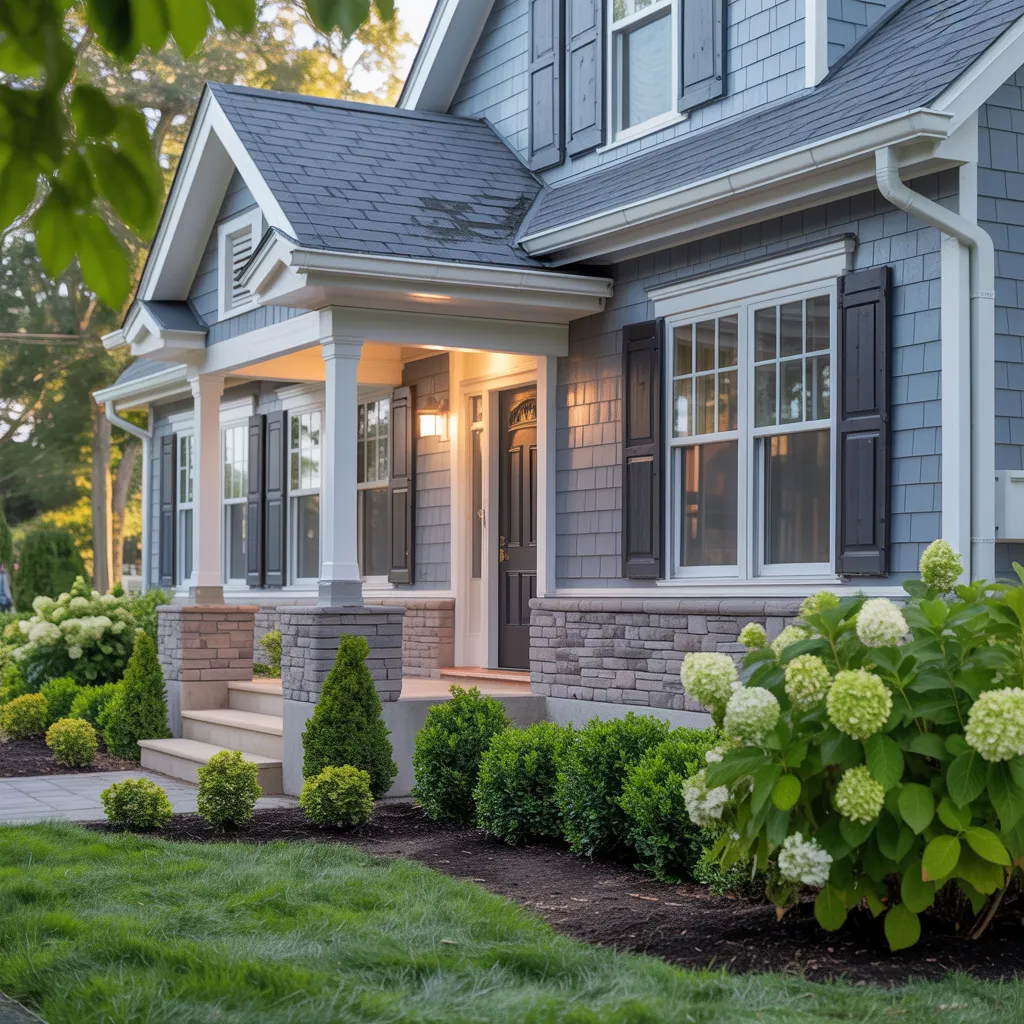
Establish Your Vision and Objectives for Your Remodel
Outlining a clear vision and objectives for a home renovation is fundamental for securing a positive result, as it establishes the groundwork for the decisions that come after. A precise vision helps homeowners articulate what they want from the renovation, whether it's enhancing functionality, improving aesthetics, or raising the property's worth. Targets should be precise, quantifiable, attainable, applicable, and time-sensitive (SMART), allowing for a methodical framework to the remodeling process.
Homeowners ought to evaluate their day-to-day lifestyle choices and preferences, as well as the architectural style of the home. Participating in creative brainstorming, gathering inspiration from design magazines or online platforms, and discussing ideas with family can help sharpen this creative vision. Focusing on key elements like space optimization, energy conservation, and eco-friendly practices can also inform the remodeling goals. Above all, a thoroughly developed vision steers the picking of materials, spatial arrangements, and design details, producing a unified and rewarding end product.
Set a Realistic Budget for Your Remodeling Project
Setting a practical budget is important for any remodeling undertaking. This requires a thorough evaluation of one's financial position, ensuring that money are available to fund planned changes. Ranking key renovations allows you to direct resources strategically, connecting priorities with budgetary constraints.
Evaluate Your Financial Situation
Before starting the endeavor of remodeling a dream home, it is essential to evaluate one's financial standing to guarantee a practical budget is established. This undertaking involves assessing current income, savings, and any available financing options. Homeowners should account for potential unexpected costs that may arise during the home improvement project, ensuring a safety net is incorporated within the budget. Analyzing contractor estimates can provide a clearer picture of projected expenditures. Moreover, prioritizing needs versus wants will help in making informed decisions about what can be realistically achieved within the budget limitations. By thoroughly reviewing these factors, residents can establish a financial plan that corresponds with their aspirations while preserving fiscal balance throughout the renovation process.
Focus on Essential Renovations
As homeowners begin the journey of transforming their dream home, prioritizing key renovations becomes essential for setting a realistic budget. Pinpointing which sections demand prompt focus helps allocate resources effectively. To illustrate, focusing on structural repairs or essential systems like plumbing and electrical ensures both safety and functionality. Next, homeowners should look into visual enhancements that increase value, such as kitchen and bathroom remodels.
Building a list of key priorities facilitates well-informed decisions, helping to avoid overspending on non-essential features. Through assessing the potential return on investment for each improvement, homeowners are able to make calculated decisions that correspond with their plans while remaining financially responsible. In the end, a thorough priority list lays the groundwork for an effective and financially mindful remodeling project.
Finding the Right Durable and Stylish Materials for Your Home Remodel
How can one balance durability with aesthetic appeal when picking materials for a remodeling project? This challenge requires careful consideration of both functionality and design. High-quality materials, such as porcelain tiles and quartz countertops, offer robust performance while enhancing visual appeal. When choosing flooring, hardwood or engineered wood can provide longevity and style, making them popular options.
Moreover, utilizing green materials, for example bamboo or recycled glass, can heighten aesthetic qualities while encouraging sustainability. Color and texture likewise play key roles; picking finishes that enhance the broader design theme can create a cohesive look without undermining structural integrity.
Additionally, evaluating the unique characteristics of each area is necessary. For instance, water-resistant materials are required in kitchens and bathrooms, while living spaces may emphasize warmth and comfort. At the end of the day, a careful combination of sturdy and appealing materials promises a remodel that lasts for years to come and reflects personal visit now taste.
How to Choose Trusted Contractors
Finding reputable contractors is vital for a productive home project. Homeowners ought to carry out detailed research on prospective contractors, ensuring they verify all necessary credentials and licenses. Moreover, assessing previous project history can provide valuable insights into the contractor's dependability and standard of service.
Explore Possible Contractors
When embarking on the journey to build a ideal home, choosing the right contractor remains a crucial step that can considerably impact the outcome of the project. Evaluating prospective contractors involves a number of important approaches. To begin, homeowners should seek recommendations from friends, family, or online reviews to compile a shortlist of prospects. Next, viewing finished projects can reveal details about a contractor's craftsmanship and work ethic. It is also helpful to conduct interviews, asking about their experience, timelines, and communication preferences. Additionally, requesting multiple quotes allows for a greater insight into market rates and the services they provide. By carefully evaluating prospective contractors, homeowners can ensure they select a professional who matches their goals and can provide excellent outcomes.
Check Credentials And Licenses
Once you have narrowed down prospective contractors, verifying their credentials and licenses is an essential next step in ensuring a trustworthy partnership. Homeowners ought to confirm that every contractor possesses the required state and local licenses pertinent to their particular trade. These credentials frequently demonstrate a foundational level of expertise and alignment with industry requirements. Additionally, verifying insurance coverage is vital; contractors should carry liability insurance to protect against damages and workers' compensation to safeguard against injuries on the job. Property owners may additionally reach out to local regulatory agencies or online platforms to verify the authenticity of these credentials. The reputation of a contractor may be further examined through testimonials and ratings, highlighting the value of diligent screening before committing to a final choice.
Review Previous Project Experience
A detailed assessment of a contractor's prior project portfolio can heavily affect a homeowner's decision-making process. Reviewing completed projects allows homeowners to gauge the quality, style, and scope of a contractor's work. This evaluation can include inspecting earlier project sites, studying visual documentation, and reading client testimonials. Homeowners should inquire about specific projects similar to their own and seek recommendations to develop a clearer picture of the contractor's dependability and expertise. Consistency in delivering high-quality results is critical, as it indicates the contractor's skill in satisfying requirements. Additionally, evaluating time management and financial discipline on previous work can supply important insight for prospective engagements. By carefully vetting past work, homeowners can arrive at educated conclusions when selecting trusted contractors.
Establishing a Project Timeline: Critical Steps
Developing a solid project timeline is essential for homeowners venturing into the journey of building their dream home. A carefully planned timeline helps make certain that all aspects of the construction process are completed successfully. First and foremost, homeowners should define their project objectives and determine a budget. This lays the groundwork for a realistic timeline.
Subsequently, they should separate the work into separate phases, such as design, permitting, and construction, assigning anticipated timelines to each phase. It is essential to communicate with experienced contractors to integrate their insights, as they often deliver information regarding likely obstacles and resource availability.
Establishing benchmarks throughout the project facilitates progress evaluation and schedule modifications as required. Additionally, homeowners ought to consider potential phase overlaps to enhance overall efficiency. By adhering to these essential guidelines, property owners can establish a detailed plan that directs them toward a triumphant remodeling journey.
Navigating Common Remodeling Difficulties
Many homeowners encounter setbacks throughout the renovation process, which can disrupt timelines and budgets. Frequent problems involve unanticipated structural issues, delays in the supply chain, and miscommunications with contractors. These difficulties frequently cause stress and elevated project costs.
To address these obstacles, homeowners should emphasize detailed preparation. Carrying out a comprehensive assessment before the project begins can detect complications before they arise. Maintaining open communication with contractors is also vital; frequent progress reviews can help handle problems in a timely manner.
Being flexible is crucial when dealing with delays. Homeowners should build extra time into their schedules to address unexpected situations. Moreover, having a contingency budget can ease financial strain when unexpected expenses arise.
Ways to Make Your Remodel Eco-Friendly
Challenges encountered during renovation frequently lead homeowners to rethink their strategy, such as how to incorporate sustainable practices. Through the use of sustainable materials, homeowners are able to considerably diminish their renovation's impact on the environment. This includes using reclaimed wood, bamboo, or recycled metal, which not only reduces waste but also adds character to the home.
Energy-conscious appliances and fixtures are vital; opting for ENERGY STAR-rated products can lower utility bills and carbon footprints. Integrating natural light through carefully positioned windows or skylights improves energy efficiency while establishing a more welcoming environment.
Reducing water usage can be achieved by installing flow-reducing faucets and water-efficient toilets. Additionally, including adequate insulation and high-performance windows helps boost overall comfort and efficiency.
Lastly, hiring contractors specializing in sustainable practices ensures that eco-friendly approaches are incorporated smoothly throughout the remodeling process. This all-encompassing approach not only helps the environment but also creates a safer living environment.
Common Questions and Answers
How Do I Determine Which Areas to Renovate First?
When prioritizing renovation spaces, homeowners should consider functionality, safety, and budget. Essential rooms including kitchens and bathrooms tend to generate the most significant returns. Additionally, consider the potential impact on home value alongside personal lifestyle requirements.
Which Permits Do I Need for My Remodeling Project?
For any remodeling endeavor, essential permits usually encompass building, electrical, plumbing, and zoning permits. As local rules and regulations can vary, reaching out to the local building department guarantees compliance and helps avoid potential legal issues during construction.
How Can I Ensure My Remodel Increases Home Value?
To make certain a remodeling project enhances the value of a home, homeowners should concentrate on high-demand renovations like kitchen and bathroom remodels, improve the home's curb appeal, choose premium materials, and consider energy-saving features that attract potential buyers.
What Happens if I Change My Mind During the Process?
Should a change of mind arise in the course of remodeling, the client should communicate promptly with contractors, assess implications on the budget and timeline, and evaluate whether adjustments align with the broader objectives before implementing any changes.
How Can I Keep Stress Under Control During My Home Remodeling Project?
To manage stress during home remodeling, one should maintain open communication with contractors, define reasonable expectations from the start, create a well-defined project timeline, give yourself time to decompress as needed, and focus on the end vision to alleviate anxiety.